Comparing kitchenware starts with separating what we've checked from what we've read. Here are the rules every page on the site follows.
Dated prices
Every price we show carries the date it was checked. Retail prices change often: the one you see when you buy is the only one that counts. A product that is out of stock is flagged, never hidden.
Criteria that matter
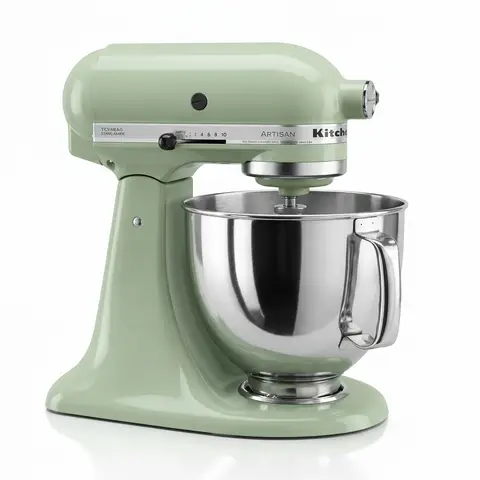
We rate what makes a difference in everyday use: for a stand mixer, that means kneading, durability, ease of cleaning and value for money. Each criterion is scored out of 5, and the overall rating sums up the review.
No brand pays to be here
No manufacturer pays to appear in our buying guides or to rank higher in them. A disappointing product is flagged as such.
What we measure in hands-on tests
The numbers on a spec sheet can be checked with simple tools, on an ordinary countertop.
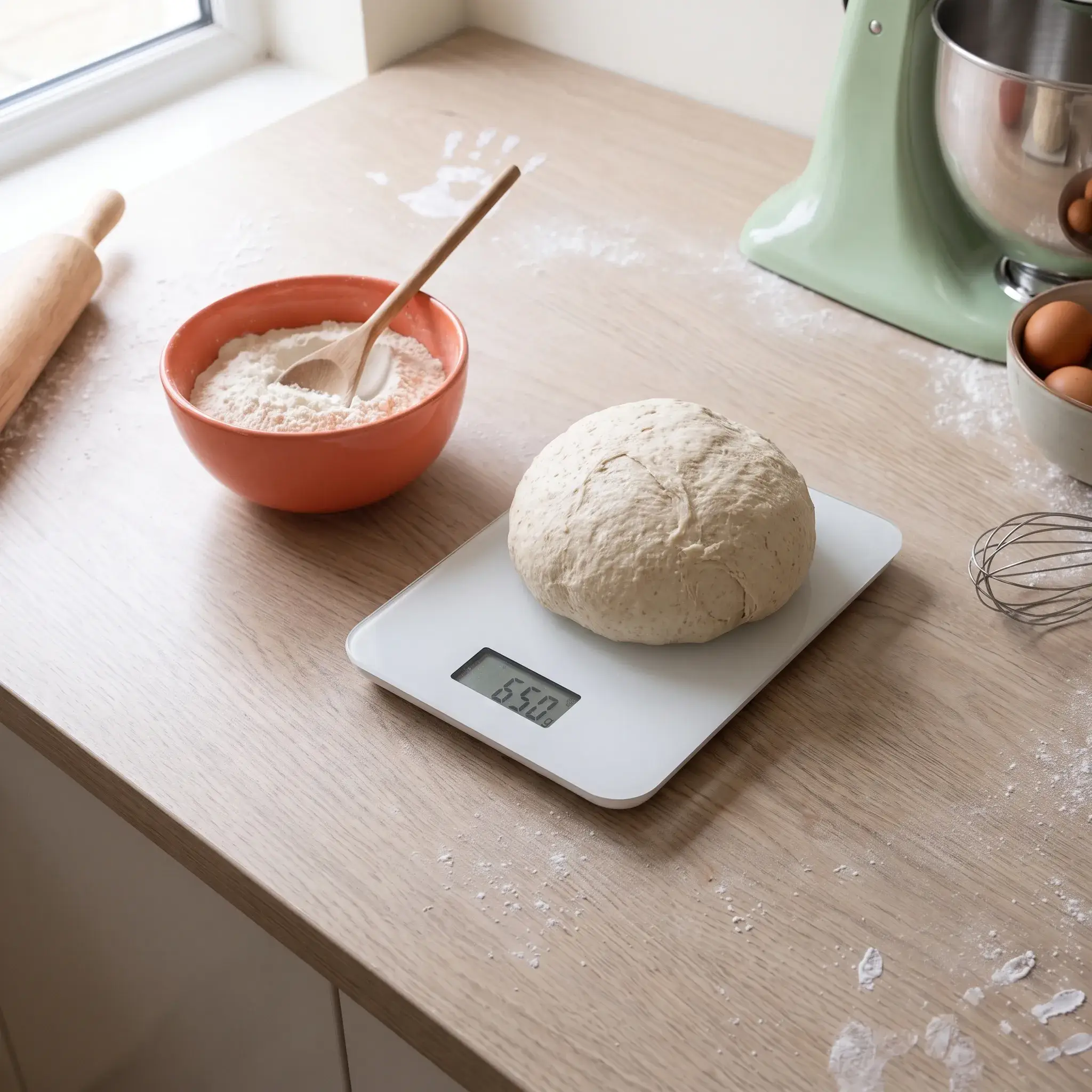
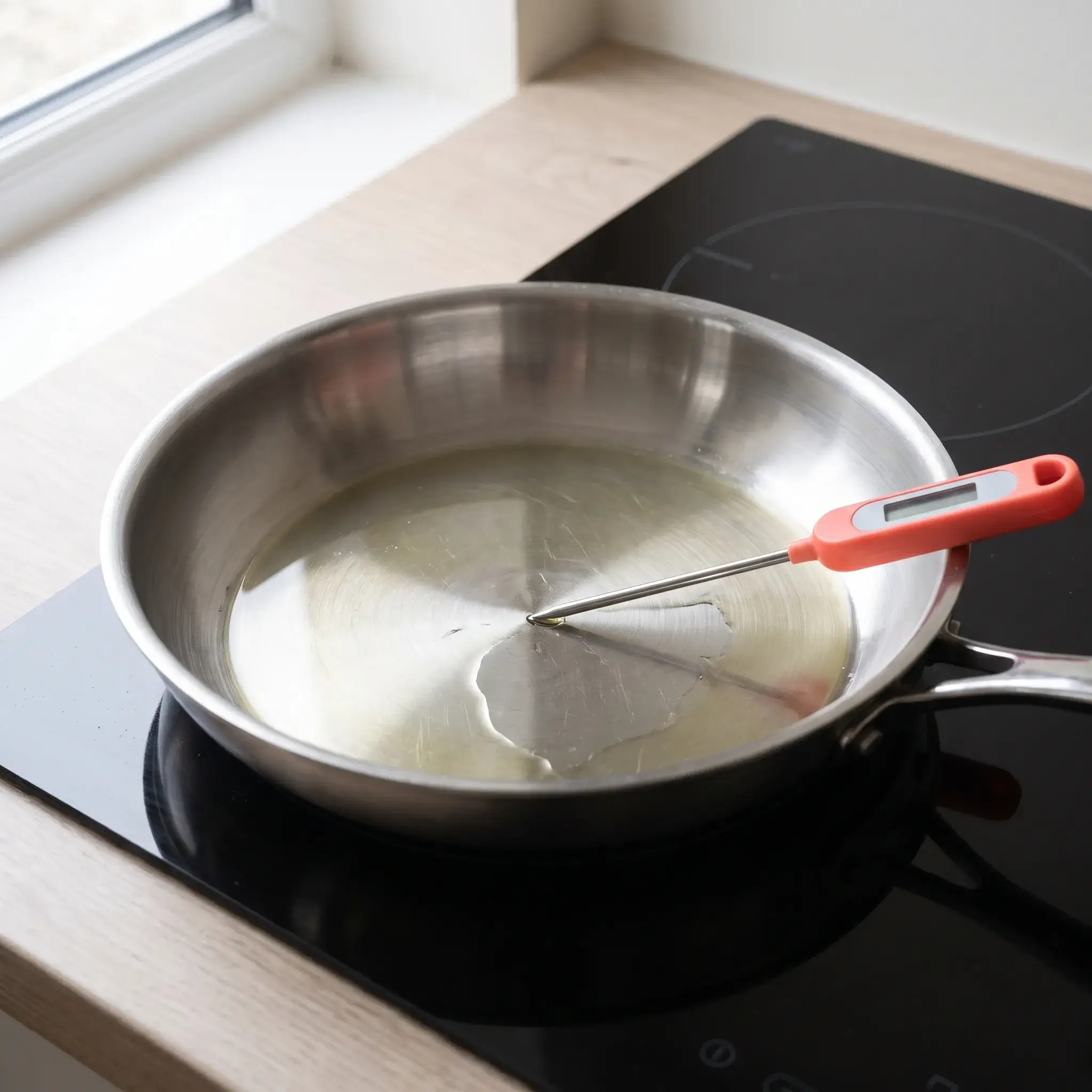
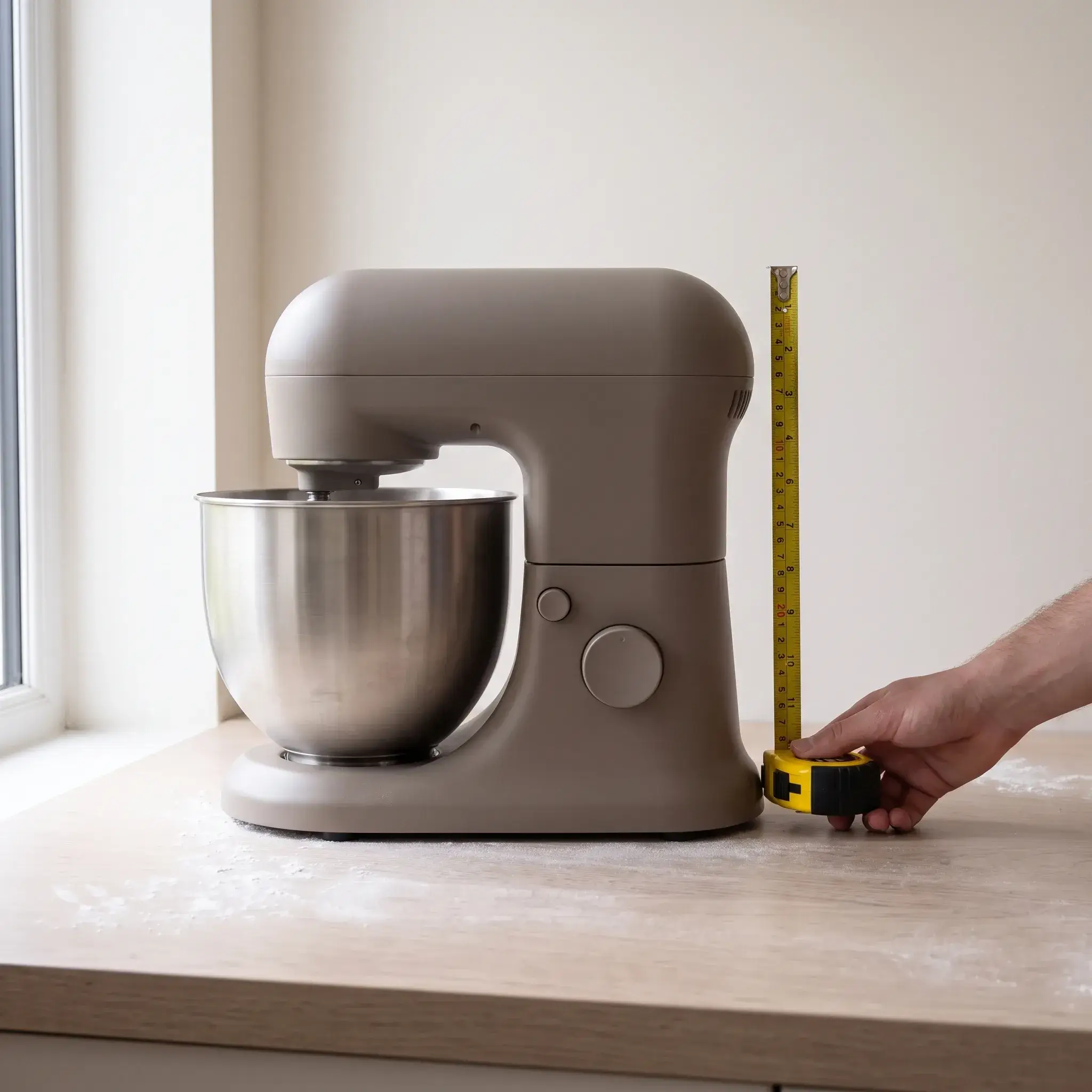
Weigh: how much dough the bowl really takes, not what the box claims.Heat: how fast and how evenly a pan heats up, measured with a thermometer.Measure: an appliance's real height, the number that decides whether it fits under a cabinet.
Two ratings we never mix
Our rating only appears on products we have analyzed in depth (verified spec sheet, owner feedback, scoring grid), along with the review date. When a product has been tested hands-on, the page says so. Amazon buyer ratings are shown separately, with the number of reviews and the label “Amazon”: they reflect buyer satisfaction, not our opinion.
Spec sheets, double-checked
Specifications come from the manufacturer's spec sheet, checked on the date shown under the table. When two sources disagree, we go with the manufacturer's spec sheet and say so. A value that is clearly wrong is left out and marked “n/a”.
Who it's for, and who it isn't
Every review ends with the kind of user the appliance is worth its price for, and the kind who would be better off looking elsewhere. A good product isn't right for everyone.
Corrections
When a mistake is reported, we fix it and update the date. Prices are refreshed regularly, and the date they were checked always stays visible.